• Welcome to your new Gnomio site

    Now, you are in control!

    Moodle is an open-source Learning Management System (LMS) that provides educators with the tools and features to create and manage online courses. It allows educators to organize course materials, create quizzes and assignments, host discussion forums, and track student progress. Moodle is highly flexible and can be customized to meet the specific needs of different institutions and learning environments.

    Moodle supports both synchronous and asynchronous learning environments, enabling educators to host live webinars, video conferences, and chat sessions, as well as providing a variety of tools that support self-paced learning, including videos, interactive quizzes, and discussion forums. The platform also integrates with other tools and systems, such as Google Apps and plagiarism detection software, to provide a seamless learning experience.

    Moodle is widely used in educational institutions, including universities, K-12 schools, and corporate training programs. It is well-suited to online and blended learning environments and distance education programs. Additionally, Moodle's accessibility features make it a popular choice for learners with disabilities, ensuring that courses are inclusive and accessible to all learners.

    The Moodle community is an active group of users, developers, and educators who contribute to the platform's development and improvement. The community provides support, resources, and documentation for users, as well as a forum for sharing ideas and best practices. Moodle releases regular updates and improvements, ensuring that the platform remains up-to-date with the latest technologies and best practices.

    Links of interest:

    (You can edit or remove this text)

Available courses

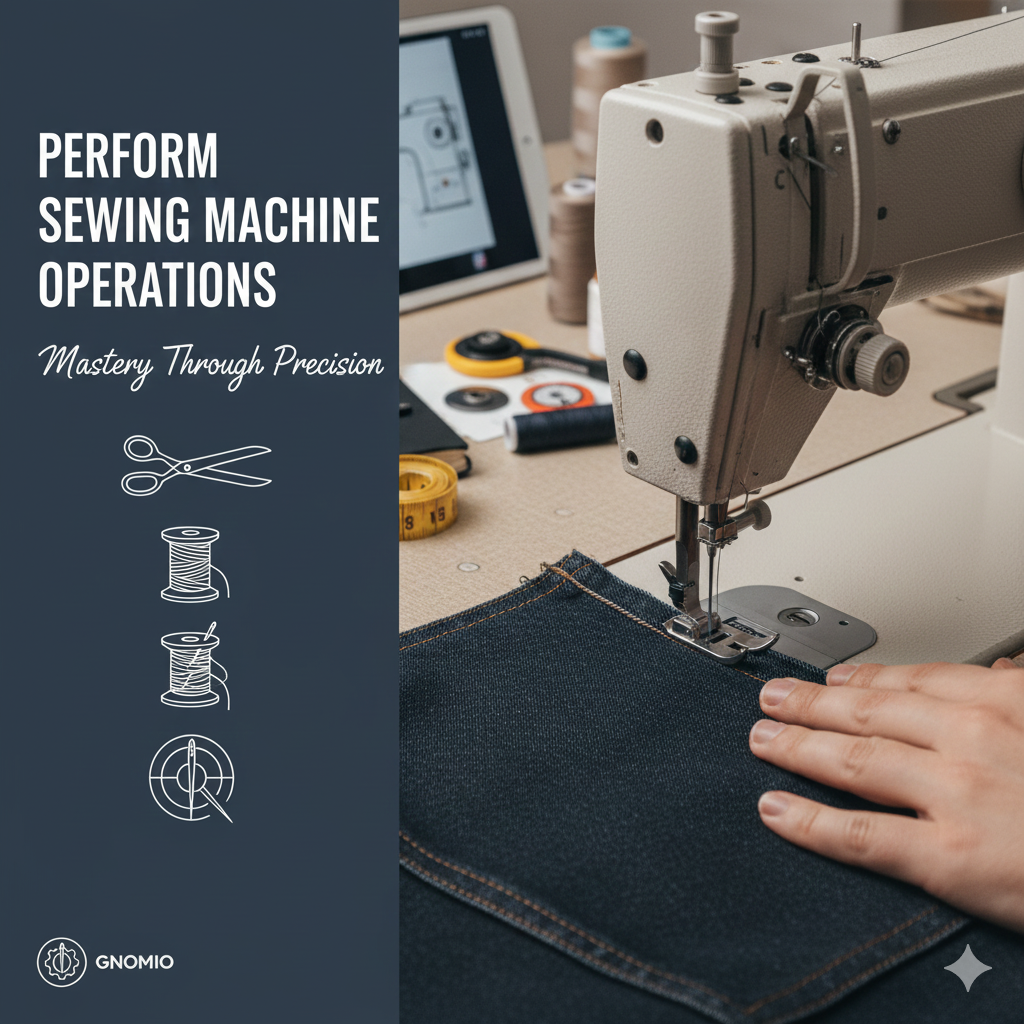
This comprehensive course provides the technical skills necessary to operate industrial and domestic sewing machinery with professional-grade precision, efficiency, and safety. This curriculum is designed to move the learner from foundational machine understanding to expert execution of maintenance, setup, and various operational techniques. The focus is on zero-error performance and the development of machine fluency required in vocational and production environments.

Key Outcomes:

  • Achieve flawless machine setup, including threading, tension calibration, and needle selection.

  • Fluently execute basic and intermediate seam construction with consistent dimensional accuracy.

  • Develop systematic diagnostic skills to troubleshoot and correct common machine faults.

  • Master essential preventative maintenance procedures to ensure peak machine performance and longevity.

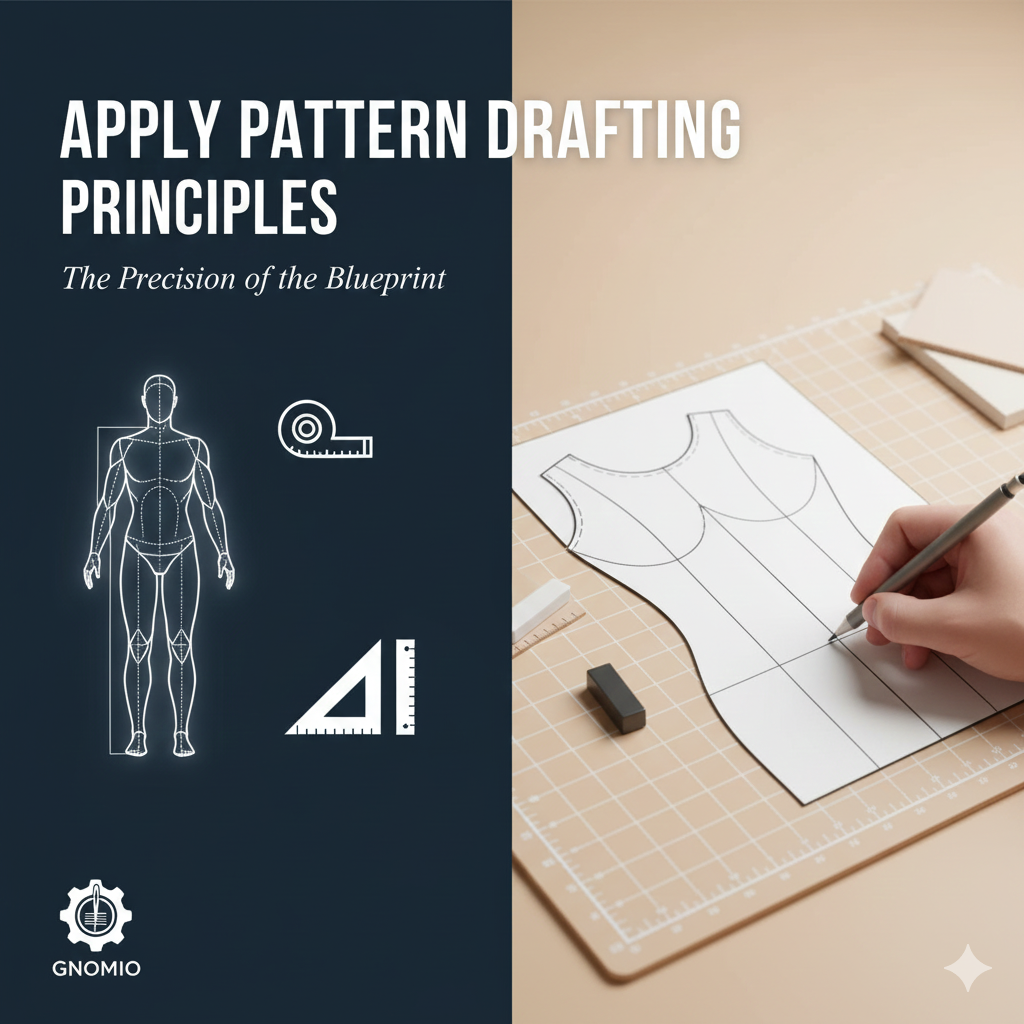
Pattern Drafting is the language of design and the blueprint for production.

This technical course provides a rigorous foundation in the mathematical and geometric principles essential for creating accurate, repeatable, and scalable garment patterns. Moving beyond commercial templates, you will master the methods for drafting custom blocks, controlling ease, and calculating grainline accuracy, ensuring a flawless foundation for any textile project. This curriculum is designed to develop the precision necessary to translate a three-dimensional concept into a two-dimensional, professional-grade paper pattern.

Key Outcomes:

  • Fluency in anthropometric measurements and their application to block construction.

  • Mastery of dart manipulation, pivoting techniques, and contouring for optimal fit.

  • Ability to draft basic slopers (bodice, sleeve, skirt) with professional tolerance.

  • Scientific understanding of balance, grainline placement, and seam allowance application.

This course offers a rigorous, scientific examination of human behavior within the organizational context. Designed for aspiring managers, consultants, and human resources professionals, this program integrates psychological theory with practical business application, providing a data-driven framework for improving efficiency, job satisfaction, and organizational structure.

You will master the critical analytical skills necessary to address the complex challenges of the modern workforce, including the development of reliable performance appraisal systems, effective employee selection methods, and data-informed leadership strategies.

Upon completion, learners will be equipped to:

  • Scientifically analyze and design optimal job roles using Job Analysis techniques.

  • Develop, validate, and administer legally defensible employee selection and training programs.

  • Diagnose and improve organizational culture, leadership effectiveness, and employee motivation.

  • Apply advanced statistical and research methods to solve real-world workplace issues.

This is the essential foundation for any professional committed to maximizing both human potential and organizational performance.